The Tanzanian Shilling
The official currency of Tanzania, including Zanzibar, is the Tanzanian Shilling (TZS). As of mid-2026, the exchange rate is approximately 2,600–2,700 TZS to 1 USD, though this fluctuates. Notes come in denominations of 500, 1,000, 2,000, 5,000, 10,000, and 20,000 TZS. The 1,000 TZS note (worth less than $0.40) is the workhorse for local transactions — dala-dala fares, small snacks, tips for small services. Always carry a supply of small notes; change is scarce at markets and roadside stalls.
For context, common costs in TZS:
- Dala-dala ride: 2,000–4,000 TZS
- Bottled water (1.5L): 1,000–2,000 TZS
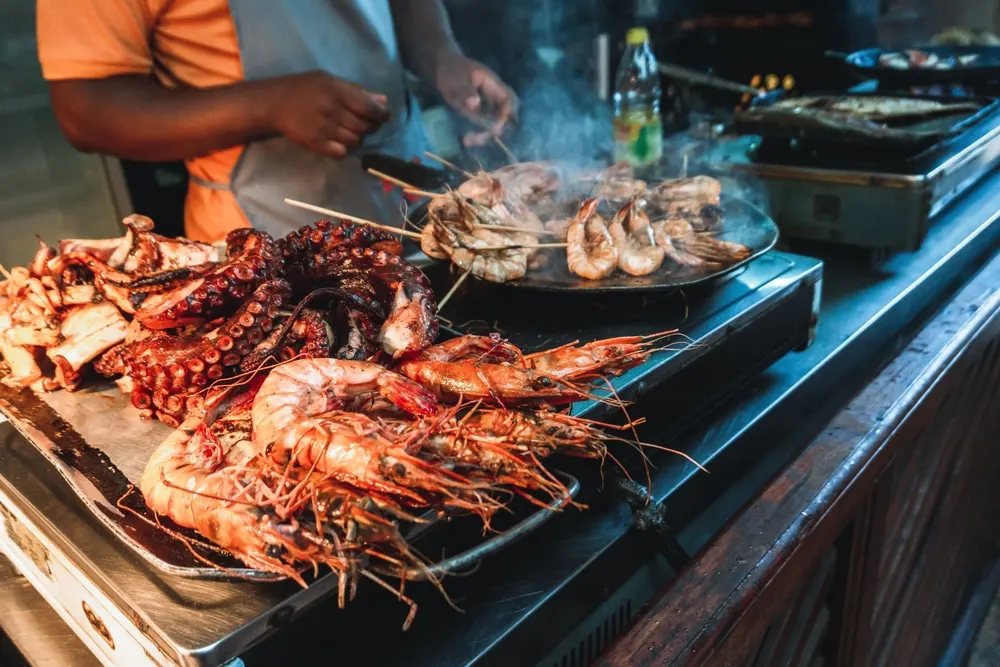
- Street food at Forodhani market: 3,000–8,000 TZS per item
- Local restaurant meal: 8,000–20,000 TZS
- Sim card with 3GB data: ~10,000–15,000 TZS
US Dollars: The De Facto Second Currency
USD is widely accepted alongside TZS throughout Zanzibar's tourist economy. Hotels, guesthouses, tour operators, dive schools, and most mid-range and upscale restaurants quote prices in USD and accept payment in USD. This is convenient — you don't always need local currency for the bigger items — but there are important caveats.
Only post-2009 USD bills are accepted. Notes printed before 2009 are rejected by Tanzanian banks and most businesses, and even some post-2009 bills are refused if they have any tears, pen marks, heavy creasing, or staining. Bring the cleanest bills you own. Banks in your home country can sometimes provide crisp new notes on request; otherwise, ATMs in Zanzibar dispense TZS only, so your USD supply is whatever you arrive with.
Avoid large bills for small purchases. Getting change for a $100 bill at a small guesthouse or market stall is difficult. Bring a good supply of $1, $5, $10, and $20 denominations. Tour operators usually handle $50 and $100 bills without problem.
When paying for something in USD and receiving change, you will often receive TZS at an exchange rate set by the vendor. This rate is typically reasonable but slightly below market — it is worth knowing the approximate rate before handing over a large bill.
ATMs and Withdrawing Cash
Stone Town has the best ATM coverage on the island. The most reliable machines are:
- CRDB Bank (several branches in Stone Town, plus Nungwi) — accepts Visa and Mastercard, generally reliable
- NMB Bank (Stone Town near market area) — similar coverage
- Equity Bank — international-facing, often handles transactions that other ATMs decline
Withdrawal limits are set per transaction, typically 400,000–600,000 TZS. You can sometimes make multiple consecutive withdrawals if you need more. Your home bank will charge a foreign transaction fee and possibly a fixed ATM fee on top; check your account terms. Notify your bank before travelling to avoid your card being blocked for unusual foreign activity.
ATMs outside Stone Town and Nungwi exist but are unreliable. Paje has at least one ATM but it runs out of cash regularly, particularly on Friday evenings and weekends. If you're staying on the east coast, withdraw enough in Stone Town to cover your stay. There are no ATMs at all in smaller villages.
Currency Exchange
You can exchange foreign currency (EUR, GBP, USD, and some other currencies) at:
- Forex bureaux in Stone Town (better rates than hotels, faster than banks)
- Banks (slower, require more paperwork, but licensed and secure)
- Hotels (convenient, but consistently offer the worst rates)
Do not exchange money with individuals approaching you on the street. This is a common scam; you will receive counterfeit notes or less money than agreed.
Card Payments
Credit and debit cards (Visa and Mastercard) are accepted at upscale hotels, some mid-range hotels, and a handful of larger restaurants and dive operators. American Express is rarely accepted outside major international hotels. Smaller guesthouses, local restaurants, market traders, dala-dalas, and most tour operators work on a cash-only basis.
When paying by card, a surcharge of 3–5% is commonly applied to offset the merchant processing fee. Ask before handing over your card. Some hotels apply the surcharge only to certain card types.
Tipping
Tipping is not mandatory but is meaningful. Tourism wages are modest by international standards, and tips often represent a significant supplement to base pay. Guidelines:
- Restaurants: 10% of the bill, or leave small change from your order, if service was good. Check whether service is already included — it usually is not.
- Safari Blue and boat excursions: $5–10 USD per person for the crew is standard and expected. The guides work hard for a full day.
- Hotel staff: 2,000–5,000 TZS per night for room-cleaning staff, left in the room at checkout or daily. Porters: 2,000–3,000 TZS per bag.
- Spice tour guides: $3–5 USD per person at the end of the tour.
- Taxi drivers: Not expected but appreciated for good service — rounding up the fare is the usual approach.
Bargaining at Markets
Fixed prices apply at supermarkets and formal shops. At markets — Darajani Market in Stone Town, souvenir stalls, and local craft sellers — bargaining is normal and expected. Opening prices are often two to three times the fair value for tourists. A reasonable approach: counter the opening price at roughly 40–50% and negotiate toward a middle ground. Remain friendly and good-humoured. Walking away is a legitimate tactic and often produces a revised offer. Do not bargain aggressively for items you have no intention of buying — it wastes sellers' time.
Items where bargaining is appropriate: kangas, kikois, carved wooden goods, spices in bulk quantities, paintings, jewellery, and souvenirs. Items where prices are generally fixed: packaged food, water, transport fares (though you can still negotiate with taxis before the ride).